
Create an Industry-leading
Manufacturer of Premium Quality
SPA Hot Tub
Manufacturer of Premium Quality
SPA Hot Tub
Views: 0 Author: Site Editor Publish Time: 2026-11-10 Origin: Site


The financial burden of an outdoor spa rarely stems from the initial purchase. It comes from the recurring energy expenditure required to maintain thermal stability. Poorly engineered spas suffer rapid thermal loss. This forces heaters and high-amp pumps to run continuously. In colder climates, this inefficiency exponentially inflates utility bills and accelerates component wear. Evaluating an energy efficient outdoor hot tub requires looking past surface-level marketing claims. You must analyze the underlying engineering. We will examine the density of the thermal envelope, the programming of the control systems, and the structural integrity of the cabinetry. This guide provides a technical evaluation of what truly drives spa efficiency. You will learn how to identify structural heat retention, evaluate smart heating cycles, and understand the physics of thermal loss.
Insulation Architecture is Primary: Universally recognized as the single most important factor in energy consumption, the design of the hot tub insulation system (full foam vs. perimeter) dictates up to 80% of the unit's heat retention capabilities and long-term operating costs.
Smart Controls Drive Efficiency: An advanced outdoor hot tub control system optimizes heating cycles and filtration schedules, significantly reducing standby power consumption.
Evaporation is the Enemy: High-density, properly tapered thermal covers are non-negotiable; a compromised cover will negate the benefits of internal insulation.
Manufacturing Standards Matter: Sourcing from a compliant hot tub factory ensures the unit meets rigorous modern energy standards (such as CEC certification) right off the assembly line, establishing a high-efficiency baseline from the get-go.
Thermodynamics dictate how an outdoor hot tub retains or loses thermal energy. Convection occurs when wind chill strips heat from the exterior cabinet. As cold air moves across the synthetic panels, it pulls radiant heat away from the equipment bay. Conduction happens when heat escapes through the base into the cold ground. Concrete slabs act as massive thermal sinks, constantly drawing heat downward if the spa lacks a protective base pan. Evaporation accounts for massive surface heat loss when the cover is removed or compromised. Water possesses a high specific heat capacity. It requires substantial electrical energy to heat, but it also holds that heat exceptionally well if properly insulated.
The baseline success criterion for efficiency is straightforward. The system must maintain a constant 100-104°F water temperature with minimal heater engagement. It should rely primarily on low-amp pump operation to sustain thermal equilibrium. When ambient temperatures drop below freezing, the thermal envelope must resist the aggressive temperature differential. A truly efficient unit prevents the external environment from influencing the internal water temperature, keeping the heater in a dormant standby mode for the majority of the day.
Heat Loss Mechanism | Physical Process | Primary Mitigation Strategy |
|---|---|---|
Convection | Wind stripping heat from the cabinet exterior | High-density foam insulation and tight-fitting HDPE cabinetry |
Conduction | Heat transferring into the cold ground | Heavy-duty ABS base pans and insulated foundation pads |
Evaporation | Steam escaping from the water surface | Tapered, 2lb density thermal covers with continuous hinge seals |
Radiant Loss | Heat radiating outward from the plumbing | Reflective foil linings inside the equipment bay |
Operating a standard model over five to ten years demands significantly more electricity than a certified unit. Ambient temperature drops exponentially increase power draw in poorly engineered units. A minor backyard luxury quickly becomes a major utility liability. Without proper thermal barriers, the heater runs constantly to fight the freezing ambient air. This continuous cycle degrades internal components prematurely, leading to expensive service calls and parts replacement.
Continuous heater operation stresses the circuit board relays. It accelerates the degradation of the titanium or incoloy heating element. High-amp jet pumps forced to run daily for filtration purposes will burn out their motor windings faster due to excessive heat generation. Inefficiency does not just waste electricity. It directly shortens the functional lifespan of the most expensive mechanical components inside the equipment bay. You end up paying twice: first on your monthly utility bill, and second on premature equipment failure.
Premium insulation materials act as the foundational base for all efficiency features. Without adequate thermal resistance, advanced heaters and pumps are rendered ineffective. The hot tub insulation system dictates how well the unit performs in freezing climates. Engineers utilize different methods to trap heat, each offering distinct advantages depending on the regional climate and installation environment.
Full foam insulation involves high-density polyurethane filling the entire cabinet cavity. This method provides a superior R-value and excellent structural support for the plumbing. Closed-cell polyurethane foam resists moisture absorption. It locks the PVC plumbing lines in place, preventing vibration-induced leaks when the high-speed jet pumps activate. Full foam is an absolute necessity in regions experiencing harsh winters, as it completely isolates the water vessel from the freezing exterior panels.
Perimeter insulation uses thermal wrap along the interior cabinet walls. This design captures and recycles kinetic waste heat generated by the pump motors. The trapped ambient heat warms the plumbing lines indirectly. It creates a heated microclimate inside the equipment bay. This method relies heavily on the integrity of the exterior cabinet panels. If a panel warps or cracks, cold air infiltrates the cavity and destroys the microclimate.
Full foam offers superior thermal resistance and structural rigidity. Perimeter insulation provides easier leak detection and simpler plumbing maintenance. Buyers must weigh thermal performance against future serviceability. In freezing climates, the energy savings of full foam heavily outweigh the rare need to excavate foam for a plumbing repair.
Heavy-duty ABS base pans prevent ground-up conductive heat loss. They seal the bottom of the spa, blocking moisture and pest intrusion. Concrete slabs act as massive heat sinks. They will rapidly pull thermal energy down through an unprotected spa floor. A solid base pan stops freezing ground temperatures from sapping heat from the footwell, ensuring the heater does not have to compensate for floor-level thermal drain.
Multi-density foam layering creates a comprehensive thermal break. Manufacturers apply varying foam densities to separate the hot water vessel from the external environment. High-density foam coats the acrylic shell for structural support. Lighter, open-cell foam fills the outer gaps to trap air pockets. This layered approach maximizes heat retention while allowing slight expansion and contraction of the shell during temperature swings. It prevents the acrylic from stress-cracking under extreme thermal loads.
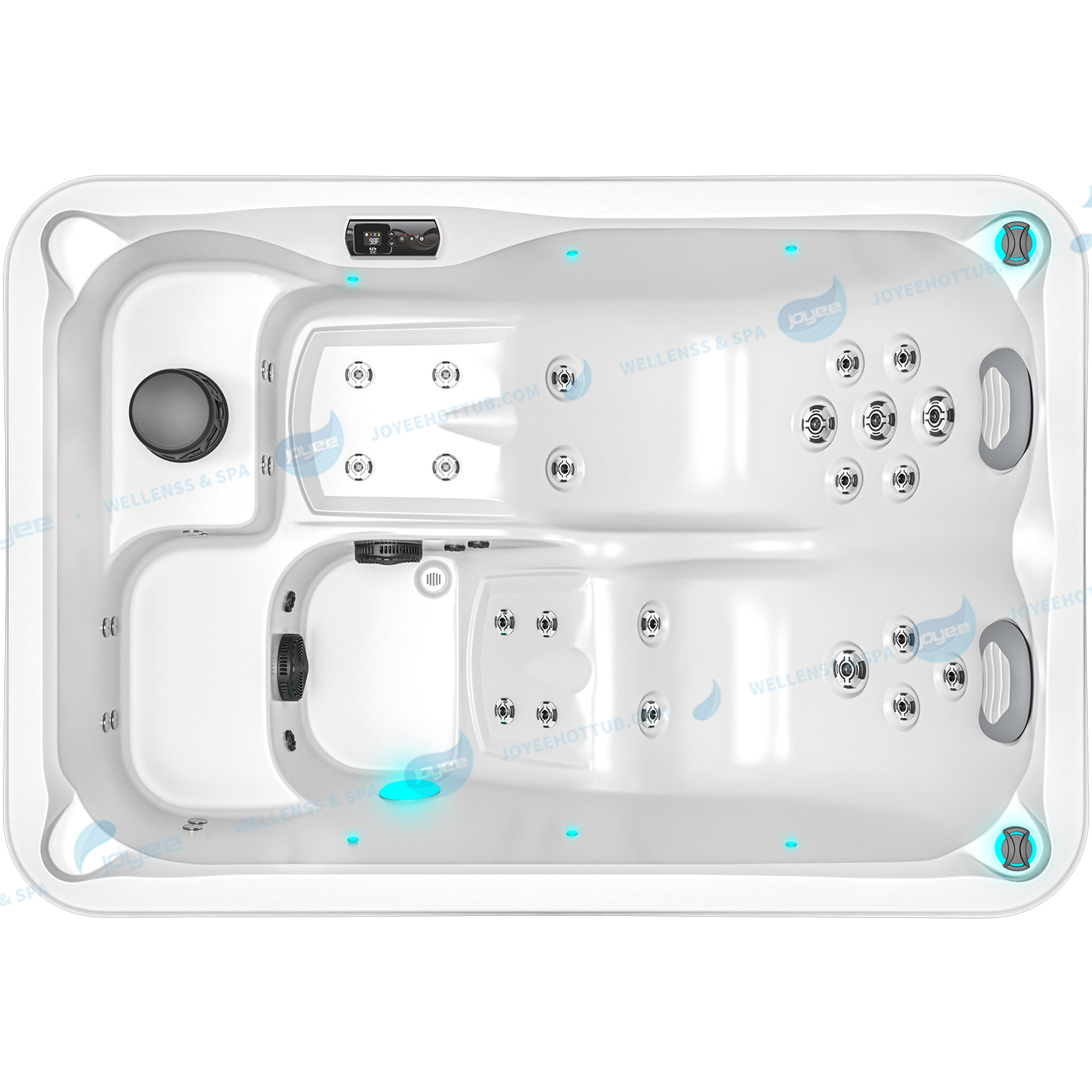
Modern control systems utilize predictive algorithms to manage water temperature. An advanced outdoor hot tub control system schedules heating during off-peak utility hours. This reduces overall energy demands without sacrificing user comfort. These systems use Proportional-Integral-Derivative (PID) logic to prevent temperature overshoot. They supply just enough power to reach the set point efficiently, rather than blasting the heater at full capacity and overshooting the target temperature.
Low-wattage titanium heaters maximize heat transfer efficiency. Titanium naturally resists scale buildup from hard water. Calcium scale acts as an insulator on the heating element. It degrades heater performance over time, forcing the element to work harder and consume more electricity to push heat through the calcified layer. Clean titanium maintains its original efficiency rating for years, transferring heat directly into the water stream without resistance.
Energy consumption varies wildly based on pump configuration. Low-amp, continuous circulation pumps are highly efficient. They move water slowly and steadily through the heater and filters. A typical circulation pump draws less than one amp of power. It operates silently and keeps the water constantly turning over, preventing stagnant cold spots from forming in the footwell or seating areas.
Many standard spas rely on high-amp, two-speed jet pumps for daily filtration. Running a massive 56-frame jet pump on low speed still consumes significantly more electricity than a dedicated circulation pump. Relying on primary jet pumps for filtration creates massive energy spikes throughout the day. The constant cycling of a large motor draws heavy startup amperage, which quickly inflates utility costs.
Well-designed circulation pumps simultaneously enhance water quality and minimize power consumption. The control system regulates pump operation to transfer motor heat directly into the plumbing. This kinetic heat recovery process supplements the primary heater. The water absorbs the friction heat generated by the pump impeller, recycling energy that would otherwise be lost to the ambient air inside the equipment bay.
Continuous circulation prevents thermal stratification, keeping water temperature uniform.
Low-amp draw reduces the daily baseline electrical load by up to 30%.
Constant flow improves ozone and UV-C injection rates, keeping water cleaner.
Reduced reliance on the primary jet pump extends the lifespan of the main motor windings.
Eco-friendly water care systems require fewer harsh chemicals. Saltwater systems, UV-C chambers, and Corona Discharge Ozone generators keep water balanced longer. Ozone oxidizes organic contaminants instantly. UV-C disrupts the DNA of bacteria, preventing reproduction. These systems reduce the chemical burden on the water, preventing the buildup of total dissolved solids (TDS) that make water feel heavy and cloudy.
This advanced sanitization reduces the frequency of complete water drain-and-refill cycles. Indirect energy and water conservation savings are substantial. You avoid repeatedly heating 400 gallons of cold tap water from baseline to 104°F. Extending the lifespan of the water directly lowers your annual heating requirements. Cleaner water also flows easier through the filter pleats, reducing the mechanical strain on the circulation pump and allowing it to operate at peak efficiency.
Evaporation is the primary source of heat loss in any spa. High-density foam cores, typically 2lb density, are strictly necessary to block steam from escaping. The cover must feature proper tapering for rain runoff. Flat covers pool water, which eventually breaks down the vinyl and foam structure under the sheer weight of the standing water. Continuous heat seals along the hinge prevent steam from escaping the fold, which is traditionally the weakest point in any cover design.
Waterlogged covers severely impact energy consumption. A saturated cover loses its R-value entirely. The damp foam conducts heat out of the water, forcing the heater into overdrive. A vapor barrier wrap around the internal foam core prevents steam absorption. You must replace heavy, waterlogged covers immediately to stop thermal hemorrhaging. If it takes two people to lift the cover, it is actively costing you money every single day.
Specify a minimum 5-inch to 3-inch taper for optimal rain and snow runoff.
Ensure the cover utilizes marine-grade vinyl treated for UV resistance to prevent sun cracking.
Verify the presence of a full-length steam seal along the center hinge to block vapor leaks.
Check for reinforced C-channel steel supports to prevent sagging under heavy winter snow loads.
Inspect the tie-down straps to ensure they lock tightly, compressing the cover against the acrylic lip.
Tight-fitting, UV-resistant synthetic cabinetry acts as the first line of defense. It blocks wind chill and convective heat loss. Precision-milled composite panels prevent cold drafts from entering the equipment bay. Natural wood cabinets eventually warp and rot, creating air gaps that destroy the thermal envelope. High-Density Polyethylene (HDPE) cabinetry maintains its structural integrity indefinitely, shrugging off rain, snow, and intense sunlight without expanding or contracting.
Many manufacturers integrate reflective foil linings inside the cabinetry. This radiant barrier bounces thermal energy back toward the spa shell. It traps ambient motor heat inside the cabinet, creating a warm microclimate for the plumbing. This reflective technology mimics aerospace insulation, preventing radiant heat from escaping through the side walls. When combined with full foam, this creates an impenetrable thermal fortress.
Manufacturing origin and facility standards matter immensely. Strict energy compliance must be enforced at the hot tub factory level. The California Energy Commission (CEC) sets rigorous standards for standby power consumption. Facilities adhering to ISO 9001 quality management systems produce tighter, more efficient thermal envelopes because their assembly tolerances are strictly monitored and documented.
Factory-level quality assurance prevents micro-leaks in the insulation. Small voids in the polyurethane foam lead to macro-level energy waste over time. A compliant factory utilizes thermal imaging cameras to verify insulation consistency before shipping. They test the plumbing lines under high pressure to ensure no weeping joints compromise the foam integrity. If water leaks into the foam during operation, it destroys the R-value from the inside out.
Sourcing a custom outdoor spa directly through a specialized supplier offers strategic benefits. You can specify heavy-duty, climate-appropriate insulation packages rather than settling for off-the-shelf retail models. A reputable outdoor spa wholesale supplier provides access to upgraded thermal covers, dedicated circulation pumps, and thicker base pans. You bypass generic retail models built for mild climates and get equipment engineered for your specific environment.
Custom insulation and premium components carry higher upfront costs. However, they guarantee long-term operational savings and extended equipment lifespan. The initial investment pays dividends through reduced monthly utility usage. Specifying a 5.5kW heater over a standard 4.0kW heater ensures faster recovery times in freezing weather, ultimately running for shorter durations and reducing the overall wear on the heating element.
Installing the tub in a high-wind corridor drastically increases heat loss. Placing it directly on an uninsulated concrete slab without shelter accelerates conductive cooling. Wind strips heat from the cabinet surface faster than the internal heater can replace it. If the spa is positioned at the edge of a property facing prevailing winter winds, the heater will run continuously just to maintain the baseline temperature.
Utilize structural windbreaks like privacy fences, dense landscaping, or gazebos to mitigate this risk. Install insulated foundation pads beneath the spa to break the conductive bridge between the base pan and the concrete. Strategic site placement protects the thermal envelope from prevailing winter winds. Position the spa near the house to block wind and reduce the length of the electrical wire run, which minimizes voltage drop and helps the pumps run cooler.
Leaving the spa at maximum temperature during extended absences wastes massive amounts of energy. Overusing high-draw features like air blowers injects cold ambient air directly into the water. This rapidly cools the vessel, forcing the heater to compensate immediately. Leaving the cover off longer than necessary causes massive evaporative loss, dumping expensive heat straight into the atmosphere.
Monitor the thermostat actively. Lower the temperature by a few degrees when the spa is not in use for extended periods. Limit the use of air valves and secondary pumps to when they are strictly necessary for hydrotherapy. Always latch the cover down immediately after exiting the water to trap the steam. Proper user habits can reduce monthly operating costs by up to twenty percent without requiring any mechanical upgrades.
Neglecting maintenance leads to clogged filters. Dirty filters force pumps to draw more amps to push water through the restricted pleats. Degraded cover seals leak ambient heat constantly. Scale buildup on the heater element blocks thermal transfer, forcing the system to run longer cycles to achieve the same temperature rise. Poor water chemistry directly impacts mechanical efficiency.
Establish a strict, documented maintenance schedule. Clean filters weekly and soak them in a chemical degreaser monthly to remove body oils. Treat the vinyl cover with UV protectant to prevent cracking and seal degradation. Balance the water chemistry weekly to prevent scale formation on the titanium heater. Proper upkeep ensures day-one efficiency is maintained well into year five of ownership.
Energy efficiency in an outdoor spa is not a single feature but a holistic, interdependent system combining dense insulation, smart controls, rigorous structural integrity, and mindful user habits. Buyers should prioritize CEC-certified models and demand transparency regarding the specific insulation architecture used. Calculate the long-term operational expenses rather than focusing solely on the initial retail price. To ensure maximum efficiency, take the following actions:
Audit the intended installation site for environmental exposure and prevailing wind patterns before pouring the concrete pad.
Request certified energy consumption data sheets from your supplier before finalizing a purchase agreement.
Specify a custom insulation package and a 2lb density thermal cover tailored specifically to your regional climate.
Establish a monthly maintenance calendar to clean filters, inspect cover seals, and descale the heating element.
A: Full foam insulation is the most efficient choice for freezing climates. It fills the entire cabinet cavity with high-density closed-cell polyurethane. This maximizes the R-value, prevents cold air from reaching the plumbing lines, and provides structural rigidity to the shell.
A: You should leave it running at a consistent temperature for daily use. Heating the water back up from a cold state consumes more energy than maintaining it. If you plan to avoid using the spa for several weeks, lower the thermostat by ten degrees.
A: Advanced controls optimize filtration cycles and utilize predictive heating algorithms. They schedule the heater to run during off-peak utility hours. They also regulate pump speeds and use PID logic to prevent temperature overshoot, minimizing standby power draw.
A: Yes, indirectly. Saltwater systems maintain water balance longer, reducing the need to drain and refill the spa. Heating fresh, cold tap water requires massive energy. Extending the lifespan of your hot water saves significant power over the year.
A: Air blowers inject cold ambient air directly into the hot water. This rapidly drops the water temperature. It forces the primary heater to activate and consume more electricity to recover the lost heat. Limit blower use in freezing weather.
A: You should replace the thermal cover every three to five years, or immediately if it becomes heavy and waterlogged. A saturated foam core loses its insulating properties entirely and allows massive evaporative heat loss.
A: CEC stands for the California Energy Commission. It enforces strict standby power consumption limits for portable spas. A CEC-certified unit guarantees the spa meets rigorous thermal retention standards, ensuring lower monthly utility usage regardless of where you live.
